Walk through our Hackensack studio on any given week and you’ll see two cars getting what looks like the same treatment: film going onto paint. One is getting a vinyl wrap. The other is getting color PPF. They photograph almost identically, and they solve very different problems. If you’re deciding between them, this is the honest breakdown, including the parts where each one loses.
Two films that look alike and behave nothing alike
Color PPF is a pigmented paint protection film. It’s the same impact-absorbing polyurethane used in clear PPF, with a color layer built in, so you get a color change and real protection in a single layer. A vinyl wrap is a much thinner film applied primarily for looks, with a side benefit of shielding the factory paint from UV and light surface scratches.
The thickness gap tells most of the story. Color PPF runs around 8 mils thick. Premium cast vinyl sits at 2 to 4. That difference is why PPF physically absorbs the energy of a rock chip before it reaches your paint, and vinyl can’t.
What color PPF actually is
Color PPF is built in layers: an adhesive that bonds to the paint, a pigmented layer that carries the color, and a clear polyurethane top coat with a self-healing polymer network. That top coat is the part people don’t believe until they see it. Warm it past roughly 140 degrees, from summer sun or a warm-water rinse, and light swirls and wash marks flow back out on their own.
You keep the depth and gloss of a painted finish, you get chip protection, and when the film eventually comes off, the factory paint underneath looks the way it did on installation day. If you want to see how the finishes look on real cars, our color PPF page covers the range we install.
What a vinyl wrap actually is
Vinyl film is made one of two ways, and the method matters. Cast vinyl is poured flat and cured, which keeps it dimensionally stable and lets it conform to deep curves and recessed channels. Calendered vinyl is pressed through heated rollers, which makes it stiffer and better suited to flat panels and short-term jobs. For a car with sculpted body lines, cast vinyl is the correct choice every time, and it’s what we install, from brands like 3M, Avery Dennison, KPMF and Inozetek.
Where vinyl wins outright is creative range. Matte black, brushed metal, color-shift, chrome delete, full printed graphics: none of that exists in the color PPF catalog. If the look is the point, browse the wrap colors library and you’ll see why vinyl keeps its place.
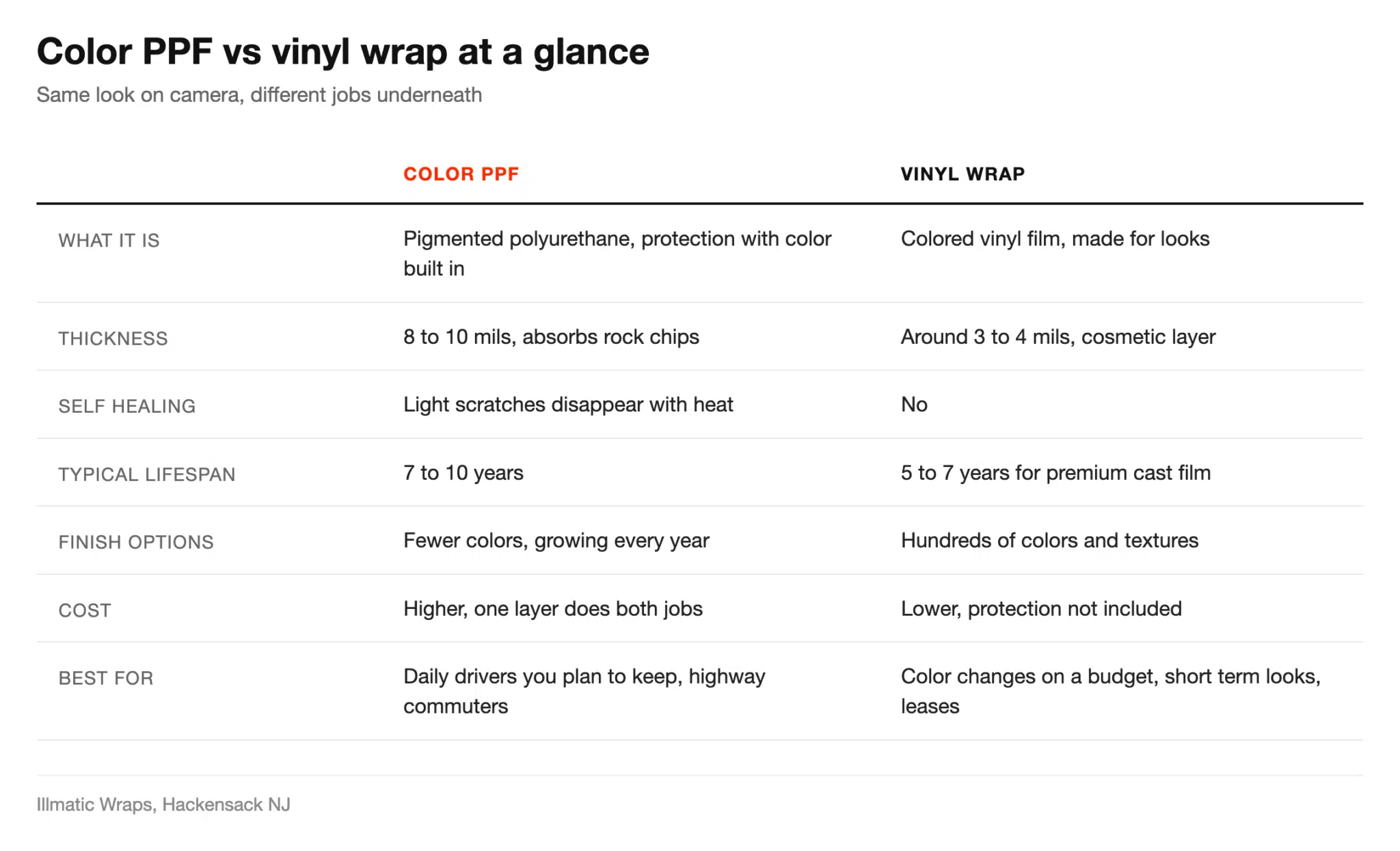
| Color PPF | Vinyl wrap | |
|---|---|---|
| What it is | Pigmented polyurethane, protection with the color built in | Colored vinyl film, made for looks |
| Thickness | About 8 mils, absorbs rock chips | About 3 to 4 mils of film, closer to 4.5 with the adhesive |
| Self healing | Light scratches disappear with heat | No |
| Manufacturer rating | Warranted up to 10 years against yellowing, cracking and delaminating | Cast film rated 8 years of expected performance life, measured on a flat vertical surface |
| Finish options | Fewer colors, growing every year | Hundreds of colors and textures |
| Cost | Higher, one layer does both jobs | Lower, protection not included |
| Best for | Daily drivers you plan to keep, highway commuters | Color changes on a budget, short term looks, leases |
Which one survives North Jersey roads?
This region is genuinely hard on paint. Highway miles on I-95, Route 3 and the Parkway mean rock chips thrown by truck tires at speed. From November through March the state lays down salt brine that doesn’t just corrode metal; it attacks film edges and adhesive wherever water finds a seam. Add freeze-thaw cycles working on every existing chip in your clear coat.
Against all that, the two films are not close. Color PPF absorbs impact energy. A vinyl wrap handles UV and light contact, but a highway rock chip punches straight through it into the paint. If your car lives on these highways every day, the panels that take the abuse, meaning the hood, front bumper, mirrors and rockers, are PPF territory.
How long each one lasts
Manufacturers warrant color PPF for up to ten years against yellowing, cracking, blistering and delaminating. Cast wrap film is rated differently. One major manufacturer publishes an expected performance life of eight years for its wrap film, measured on a flat vertical outdoor surface with no graphic protection, and states plainly that this is an unwarranted period rather than a warranty. A hood and a roof face straight up at the sun, so they age faster than the flat vertical panel that figure is based on. Road salt and UV do most of the aging here. Cheap calendered film often starts lifting at the edges inside two years, which is a big part of why bargain quotes end up expensive.
Our warranty terms reflect that same gap, and we’d rather state them plainly than round everything up: PPF carries a 10-year warranty covering both the installation and the material. Vinyl wraps carry a 3-year warranty against bubbling and peeling. Either way, we check the car one month after pickup and yearly after that.
What about cost?
Rather than quote numbers that shift with every vehicle, here’s the ordering that always holds: a vinyl wrap costs the least, front-end clear PPF sits in the middle, and full-body color PPF costs the most. Within each product, vehicle size, panel complexity and finish choice drive the price. A gloss vinyl wrap on a sedan and a color-shift wrap on the same car are very different invoices.
There’s also a middle path a lot of our clients land on: color PPF or clear PPF on the high-impact front end, vinyl on the doors and roof. You get protection where the road actually hits and creative freedom everywhere else, without paying full PPF pricing across the whole car. The only way to price any of this properly is with the car in front of us, which is what a quote visit is for.
So which one is right for you?
Choose color PPF if you daily-drive a car you care about on North Jersey highways, plan to keep it five or more years, and want a clean factory-style color change with a self-healing surface. It’s also the stronger pick for protecting resale value, because the paint under it stays untouched.
Choose vinyl if the look is the point: a finish that doesn’t exist in the PPF catalog, a color you want to test before committing, or branding across a fleet, where vinyl’s lower cost per vehicle matters at scale. It’s also the right call if you like changing the car’s look every few years.
Plenty of cars leave our shop wearing both. That’s not indecision, it’s just putting each film where it does its job.
The installer matters more than the film
The same roll of film that comes out flawless in a controlled studio comes out with lifted edges, silver hazing and trapped dust in a shop that installs next to an open bay door. Whatever gets sealed under the film stays there, holding moisture against your clear coat, which is the exact damage both products exist to prevent.
That’s why we run a climate-controlled studio here in Hackensack and hold certifications from 3M, Ceramic Pro and GSWF. Film brands run those programs precisely because installation quality, not the logo on the box, decides how the car looks in year five. Our project gallery is the better argument than any spec sheet.
Frequently asked questions
Can color PPF be removed without damaging my factory paint?
Yes. The adhesive is engineered to release cleanly from factory clear coat when a trained installer removes it. Damage during removal comes from uncertified shops using heat and blades carelessly, not from the film itself.
How long is each film warranted?
Color PPF carries a manufacturer warranty of up to ten years. Cast wrap film is rated at eight years of expected performance life on a flat vertical surface, which the manufacturer states is not a warranty. Horizontal panels like the hood and roof take more sun than that rating assumes. Salt, UV and freeze-thaw cycles age both, which is why edge sealing and film quality matter more here than in mild climates.
Can I put ceramic coating over color PPF or vinyl?
Yes to both, and over PPF we actively recommend it. The hydrophobic layer makes salt and grime rinse off instead of sitting on the film, which extends its life. Certain coatings are rated for cast vinyl too; ask us which formulation fits your film.
What’s the difference between partial PPF and a full color PPF wrap?
A partial install covers the zones that take the hits: front bumper, hood, mirrors, rockers. A full color PPF wrap covers every painted panel, so the color change and the protection are uniform across the car. Partial coverage is the common starting point for daily drivers.
Which costs more, color PPF or a vinyl wrap?
Color PPF costs meaningfully more, full stop. It’s a thicker, more complex film that takes longer to install. A partial PPF install on the front end narrows the gap a lot, which is why the hybrid approach is popular.
Does either film hurt resale value?
The opposite, when installed and removed correctly. Factory paint preserved under film in original condition is worth more at trade-in than paint carrying chips and fade. PPF preserves it more completely because it stops impacts, but both are a net positive.
Can color PPF go over existing paint damage?
No. Chips, scratches and peeling clear coat get sealed under the film and stay permanently visible. Paint correction has to happen first and cure fully, otherwise the investment is wasted and most manufacturer warranties are void.
How long does installation take?
Plan on 5 to 7 business days for a full vinyl wrap and 7 to 10 for PPF. Paint correction beforehand, if the car needs it, adds time on top.
Still on the fence? Bring the car by the Hackensack studio or send us the details and we’ll tell you straight which film fits how you actually drive.
Sources: 3M Scotchgard Paint Protection Film Pro Series product bulletin, 3M Wrap Film Series 2080 product bulletin (film thickness and warranty terms) and the Avery Dennison Supreme Wrapping Film data sheet. Warranty terms vary by film and by installer certification. Prices, turnaround and our own warranty are illmatic Wraps figures. Last reviewed September 2026.
More from the blog
Caring for a matte or satin wrap, and what the film makers actually say
A satin or matte wrap looks the way it does because the surface scatters light instead of reflecting it. Everything…
Read more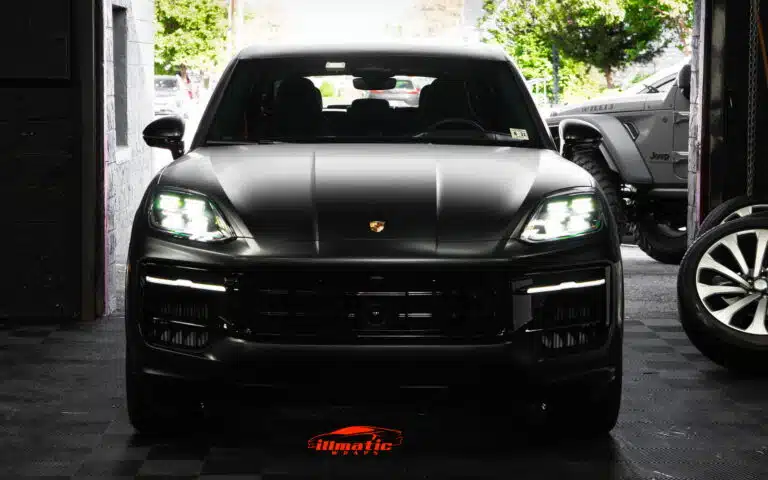
Car wraps in Danbury CT: what the winter here does to your paint
Danbury sits inland and up in the hills, and the weather record shows it. The nearest official station records 133.7…
Read more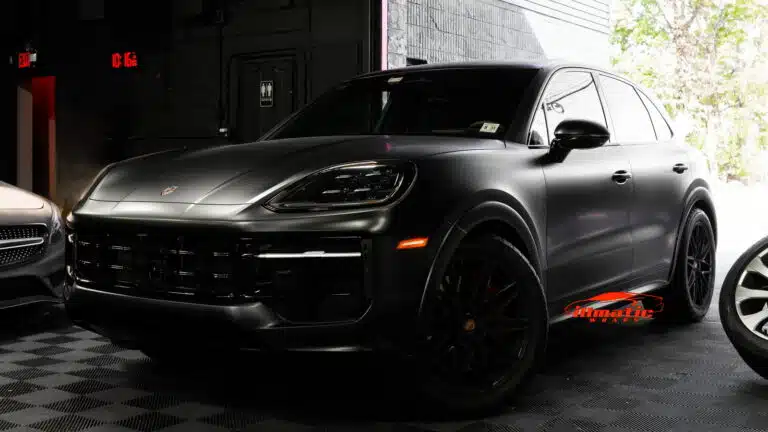
Car wraps in North Jersey: what the roads here do to your paint
North Jersey is not the same driving environment as the rest of the state, and it is not the same…
Read more